Home / Services / Closed Cell Insulation Knoxville
Residential & Commercial
Closed Cell Insulation Knoxville, TN
The dense foam, for the places where water is the real problem.
Closed cell spray foam is the heavier of the two foams we install. It cures into a rigid, dense material with the cells sealed shut, which is what gives it its three useful properties: a high R-value per inch, resistance to liquid water, and enough stiffness to add racking strength to a wall it is sprayed into. If you are in Knoxville or anywhere in Knox and Blount counties and someone has recommended closed cell, this page explains when that recommendation is right. Call (865) 503-5486 to arrange a look at the job.
What Makes Closed Cell Different
Both foams start as two chemicals that react when they meet. In closed cell, the gas stays trapped inside each cell as the foam hardens, so the finished material is dense — roughly two pounds per cubic foot — and the cells do not connect to one another. Water cannot wick through it. Air cannot move through it. It does not compress under its own weight, and it does not sag away from a surface it is bonded to.
That density is also the reason it costs more per square foot than open cell. You are paying for more material in the same space. The trade is that you need fewer inches to reach a given R-value, which matters a great deal when the cavity you are filling is shallow.
Where Closed Cell Earns Its Price in Knoxville Homes
The East Tennessee climate is humid. That single fact decides most of our material choices, because the problem in this region is usually moisture moving with air rather than heat moving through a wall. Closed cell is the right call in these places:
- Crawl spaces and rim joists. Ground moisture rises, and the rim joist is one of the leakiest parts of a Tennessee house. Closed cell seals it and will not hold water if it gets damp.
- Shallow cavities. A 2x4 wall gives you three and a half inches. Closed cell puts a usable R-value in that depth; a lighter foam will not.
- Metal buildings and pole barns. Bare steel condenses. Foam bonded directly to the underside of the panel removes the cold surface the water was forming on.
- Below-grade and basement walls. Anywhere the assembly can get wet from the outside.
- Roof decks where the structure needs help. The rigidity is a genuine, measurable bonus on older roof framing.
Closed Cell or Open Cell?
The honest answer is that most whole-house jobs use both. We use closed cell where water, depth or stiffness is the governing constraint, and open cell where the cavity is deep, the budget matters and sound dampening is welcome. An installer who only ever quotes one of the two is not matching the material to the assembly. If you want the comparison in person, we will walk the house with you and point at the specific places each one belongs.
Maryville and Blount County
We get asked about closed cell in Maryville nearly as often as in Knoxville itself. A good share of the housing stock south of the river sits on crawl spaces, and crawl spaces are where closed cell does its most obvious work. The drive is short and we quote Blount County on the same terms as Knox.
How We Install It
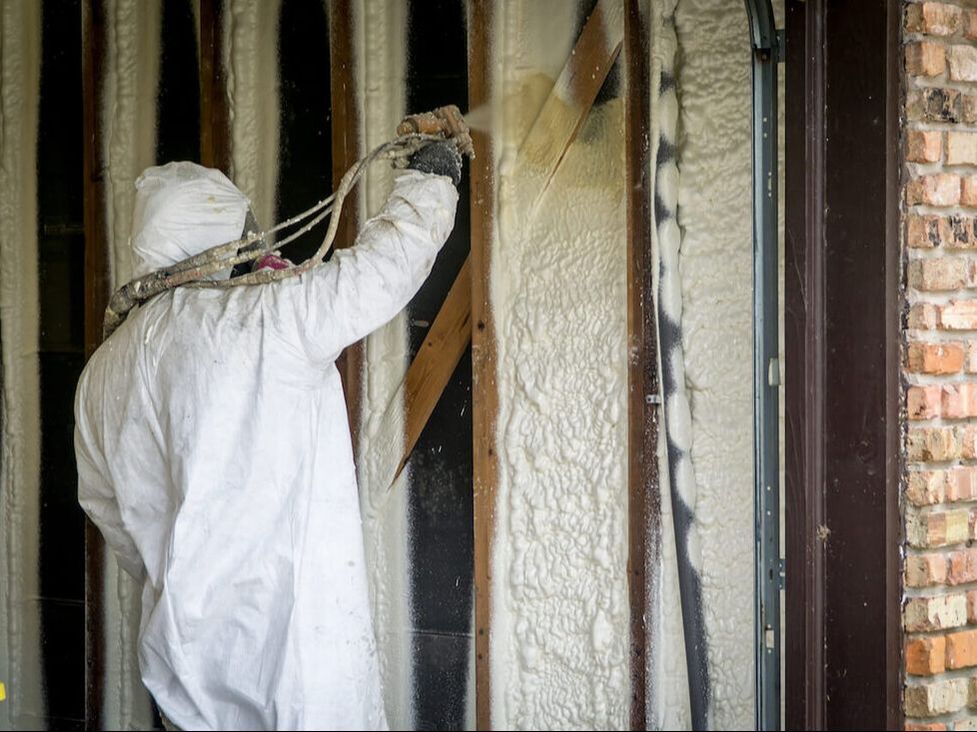
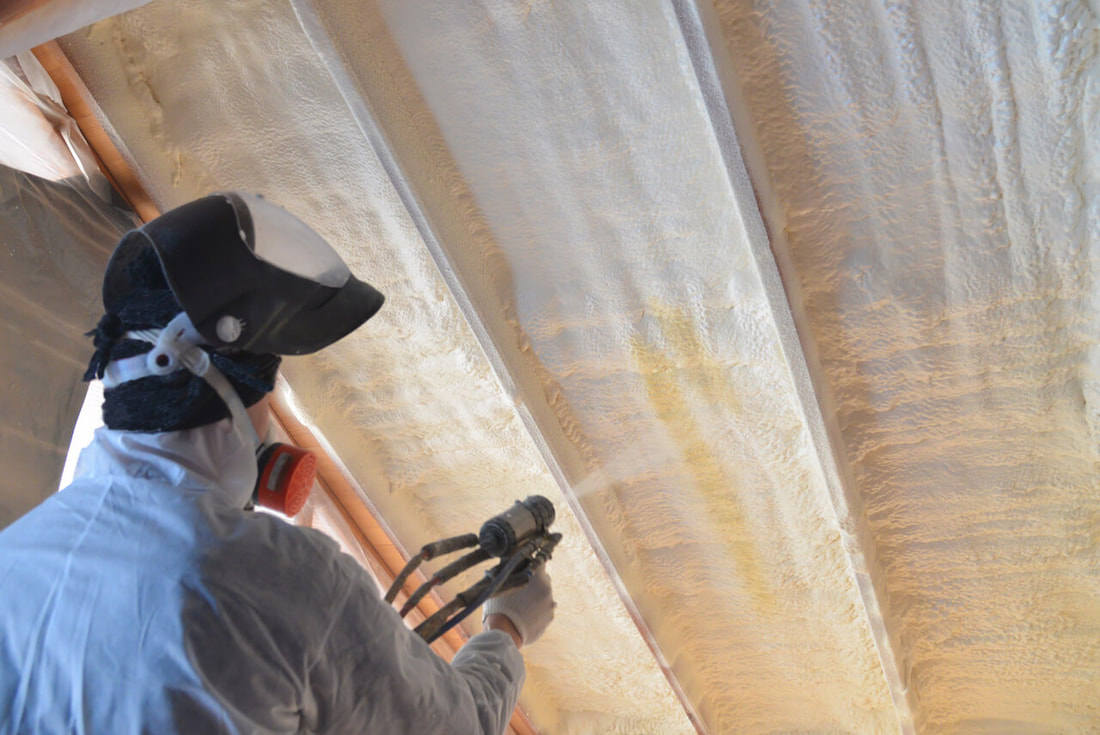
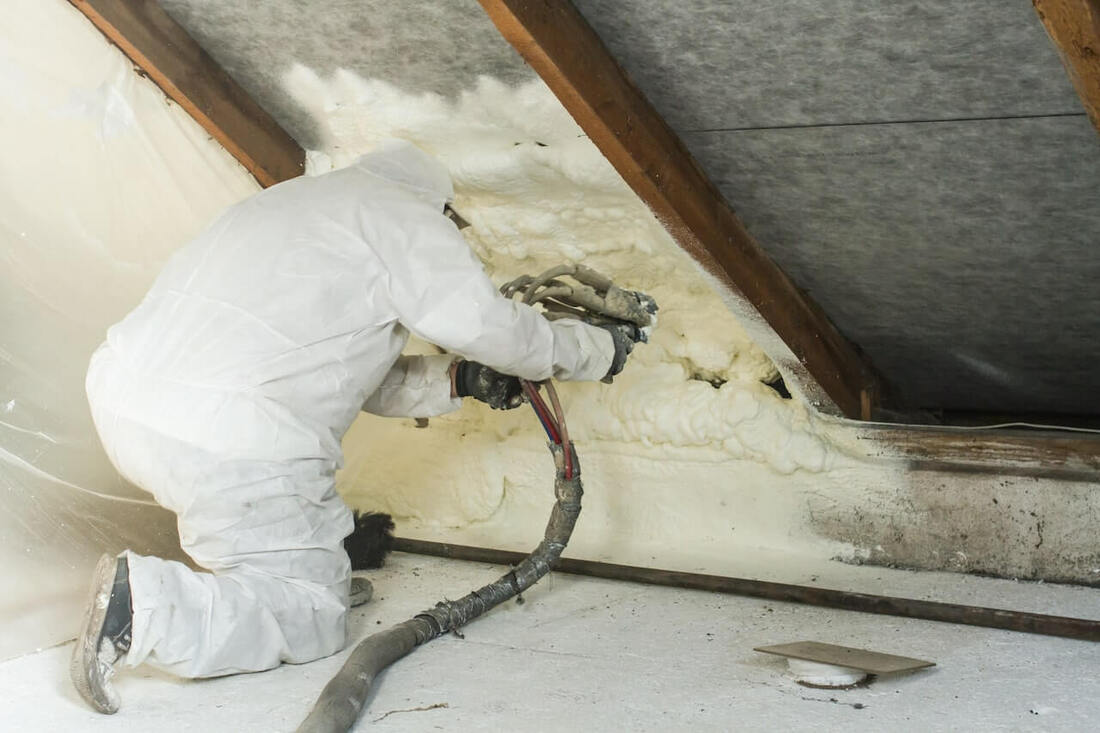
Closed cell is applied in lifts, typically no more than two inches at a time, with a pause between passes. That is not us being slow — the reaction generates heat, and a single thick pass can scorch in the middle and bond badly at the edges. The substrate has to be dry and within a workable temperature range, which is why we care about the forecast on a crawl space job. Once cured, it is trimmed flush where it needs to meet drywall.
Book a Look at the Job
We will tell you where closed cell belongs in your house and where it would be money spent for no return. The estimate is written, it states the area, the foam and the thickness, and it is free. Call (865) 503-5486 or send a message from our contact page.
Questions
Closed cell questions
How many inches of closed cell do I need?
It depends on the assembly and the code requirement for the area being insulated. Your written estimate states the thickness in inches so there is no ambiguity about what was quoted.
Does closed cell foam act as a vapour barrier?
At sufficient thickness it substantially limits vapour movement, which is why it suits crawl spaces and rim joists. The thickness at which that holds is part of what we specify on the estimate.
Can closed cell be sprayed over old insulation?
Not over damp, settled or contaminated material. Foam needs a sound, dry substrate to bond to, so anything compromised comes out first.
Will it make the house too airtight?
A well-sealed house needs its ventilation designed rather than left to leaks. We will tell you if a job changes the building enough that mechanical ventilation should be part of the conversation.
Not sure which foam your job needs?
We will look at the building and tell you which material belongs where.
Free written estimates • No obligation • Local crews
Explore more